
The AI Revolution in Warehouse Operations
Artificial Intelligence is no longer a futuristic concept in logistics. In 2026, AI has quietly embedded itself into warehouse planning screens, routing engines, service consoles, and control towers across the globe . For Indian warehouses and logistics providers, the question is no longer whether to adopt AI, but how fast can they integrate it into daily operations.
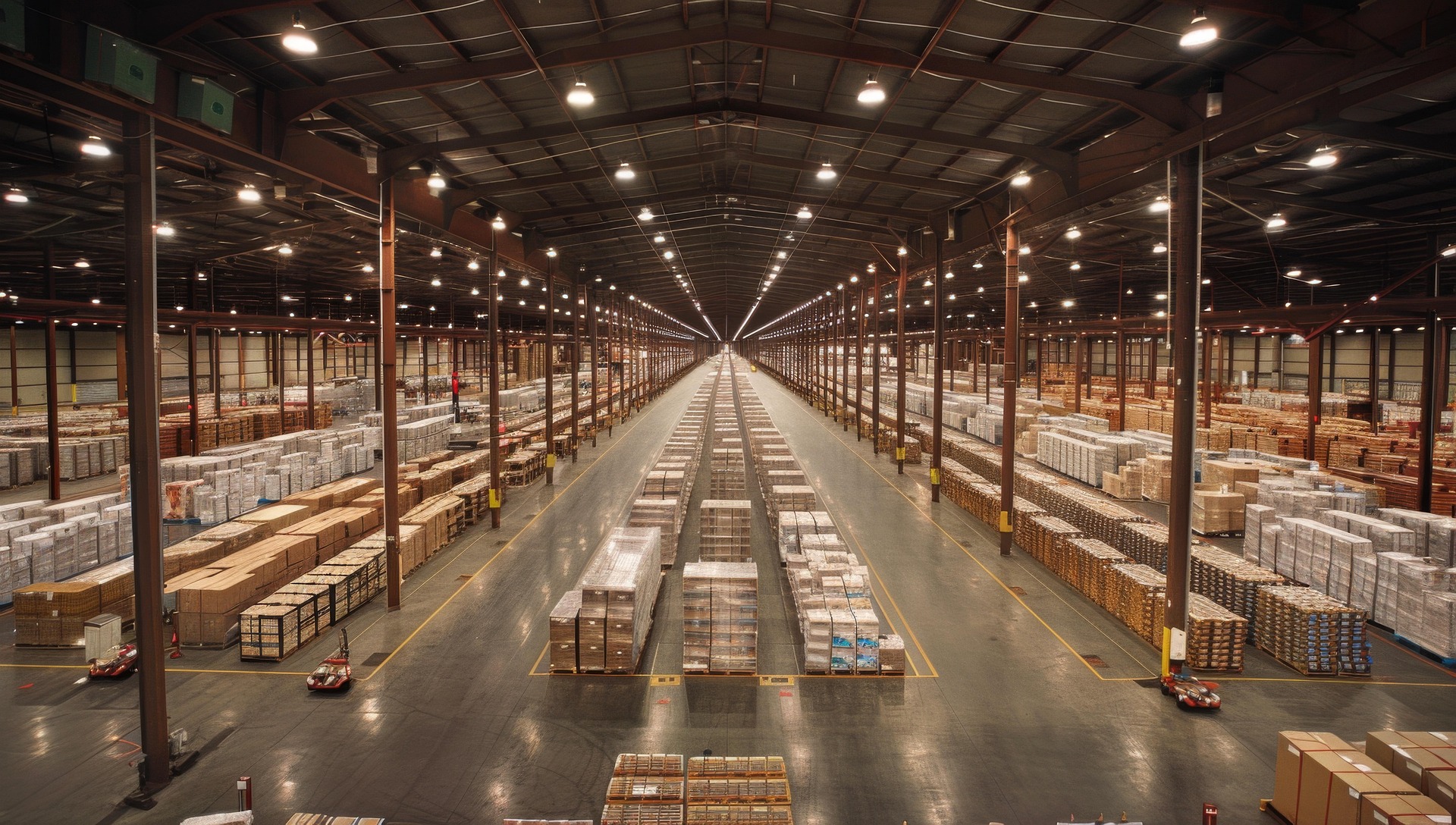
How AI is Transforming Warehouse Operations
AI-driven warehouse optimization has shifted from a competitive advantage to an operational necessity. The greatest losses in modern warehouses no longer come from theft or damage alone—they stem from flow mismatches. Orders arriving too early, too late, or in the wrong sequence for available resources create bottlenecks, idle automation, and manual overload .
Enter Intelligent Order Release (IOR), an AI-powered approach that is rapidly becoming the new industry standard. IOR optimizes the sequence and volume of released orders using real-time data on labor availability, automation capacity, and performance priorities. In automation-heavy facilities, releasing “too much work” can be just as damaging as releasing too little .
Beyond order release, AI is delivering measurable improvements across multiple warehouse functions:
Inventory Forecasting: Machine learning algorithms analyze historical data, seasonal patterns, and market trends to predict demand with remarkable accuracy. Companies report 20-30% lower carrying costs and 35-45% fewer stockouts after implementing AI-driven demand sensing .
Robotics and Automation: Autonomous Mobile Robots (AMRs) now handle picking, packing, and pallet movement with dynamic route planning. Amazon’s AI foundation model, DeepFleet, uses reinforcement learning to optimize robot routing—increasing travel speed by 10% and cutting picking time by 71% .
Dynamic Slotting: AI continuously analyzes product velocity, dimensions, and order patterns to determine optimal storage locations, reducing travel time by up to 27% .
Workforce Allocation: AI systems match workload to real-time capacity, smoothing operations and preventing labor burnout while maintaining productivity.
Real-World Impact: The Numbers Speak
Early adopters of AI in supply chain have achieved remarkable results. According to Accenture research, companies embracing autonomous supply chain initiatives have seen approximately 27% shorter order lead times and 25% higher labor productivity .
In warehouse automation specifically, AI-powered systems deliver:
-
Up to 15% higher inventory accuracy
-
Up to 22% lower warehousing costs
-
Up to 20% greater productivity
For transportation and route optimization, AI-enabled tools have helped companies increase truck fill rates to 97%—up from the current 85-90%—resulting in a 15% reduction in fuel and logistics costs .
The Pros of AI in Warehouse Operations
1. Enhanced Accuracy and Reduced Errors
AI systems eliminate human errors in data entry, inventory tracking, and order processing. Machine learning models continuously improve their accuracy over time.
2. Significant Cost Reduction
By optimizing labor allocation, reducing travel time, and improving space utilization, AI drives substantial operational savings that directly impact the bottom line.
3. Real-Time Decision Making
AI processes vast amounts of data instantly, enabling real-time adjustments to changing conditions—from sudden demand spikes to equipment failures.
4. Scalability Without Proportional Cost Increase
AI-powered systems handle increased volume without requiring proportional increases in labor or infrastructure investment.
5. Predictive Maintenance
AI monitors equipment performance and predicts failures before they occur, reducing downtime and maintenance costs.
6. Improved Worker Safety
Automation of dangerous tasks and AI-guided safety protocols reduce workplace accidents and improve compliance.
The Cons and Challenges
1. High Initial Investment
Implementing AI systems requires significant capital investment in software, hardware, and integration. For small and medium warehouses, this can be prohibitive.
2. Data Quality Dependency
AI is only as good as the data it receives. Dirty or fragmented data undermines even the best models. Many organizations struggle with stitching together data from WMS, ERP, and carrier systems .
3. Integration Complexity
Legacy systems often lack APIs and standardized data formats, making AI integration complex and time-consuming.
4. Skills Gap
Finding talent who understand both warehouse operations and AI technology remains challenging. Training existing staff adds time and cost.
5. “Pilot Purgatory”
Many organizations run proofs of concept that look good in presentations but never scale to day-to-day operations due to lack of clear ownership and realistic ROI targets .
6. Job Displacement Concerns
Automation raises legitimate concerns about workforce displacement, requiring careful change management and reskilling programs.
7. Cybersecurity Risks
Connected AI systems create new vulnerabilities that malicious actors could exploit, requiring robust security measures.
The Indian Context
For Indian warehouses and logistics providers, AI adoption comes with unique considerations. The diversity of warehouse sizes—from small family-run godowns to large automated fulfillment centers—means AI solutions must be scalable and adaptable.
The good news is that AI is no longer reserved for large enterprises. Cloud-based AI platforms and Software-as-a-Service models make advanced capabilities accessible to mid-sized operations. Starting with targeted use cases like demand forecasting or route optimization can deliver quick wins that fund broader AI adoption.
The Path Forward: Hybrid Models Work Best
Current evidence suggests that hybrid human-in-the-loop models perform best. Satisfaction and efficiency are highest when AI handles structured, repetitive tasks while humans manage exceptions, complex decisions, and customer relationships .
The most successful warehouses in 2026 will be those where AI amplifies human capability rather than replacing it entirely.
Conclusion
AI in warehouse operations is not a passing trend—it is becoming the standard. The question for Indian logistics businesses is not whether to adopt AI, but how strategically and quickly they can integrate it. Starting with targeted, high-impact use cases, investing in data quality, and maintaining human oversight will separate the leaders from the laggards in the coming years.